
DIY Carpet Cleaning Hacks: What Works and What Doesn't in Detroit Homes


Understanding DIY Carpet Cleaning
Carpets are a staple in many Detroit homes, providing warmth and comfort. However, they can quickly become a magnet for dirt and stains. While professional cleaning is an option, it can be expensive. DIY carpet cleaning offers a cost-effective alternative, but not all techniques deliver the same results. Let's explore what works and what doesn't in maintaining clean carpets in your home.
The Power of Baking Soda
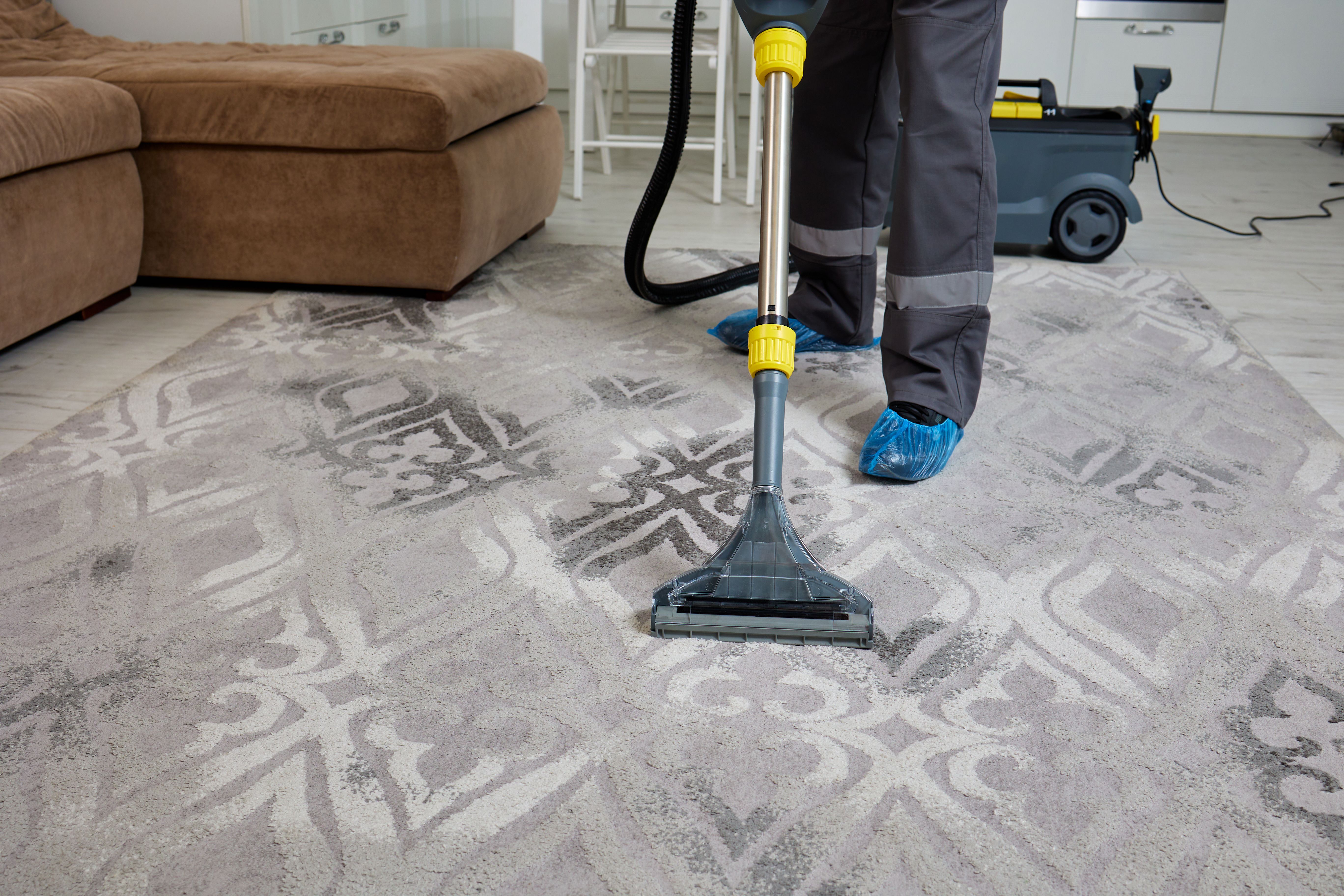
Baking soda is a household favorite for many DIY cleaning tasks, and for a good reason. It's an excellent odor neutralizer and is effective at lifting minor stains. To use baking soda, simply sprinkle it generously over the carpet, let it sit for about 15 minutes, and then vacuum thoroughly. This method works well for freshening up carpets and dealing with light odors.
For more stubborn stains, a mixture of baking soda and water can be applied directly on the spot. Allow this paste to dry completely before vacuuming it up. While baking soda is great for odors and light stains, it may not be effective for deep-seated grime.
White Vinegar: A Versatile Cleaner
White vinegar is another versatile cleaning agent that can tackle a variety of carpet issues. It's especially useful for removing pet stains and combating odors. Mix equal parts of white vinegar and water in a spray bottle, apply it to the stained area, and blot with a clean cloth. This method helps break down the stain while neutralizing any unpleasant smells.
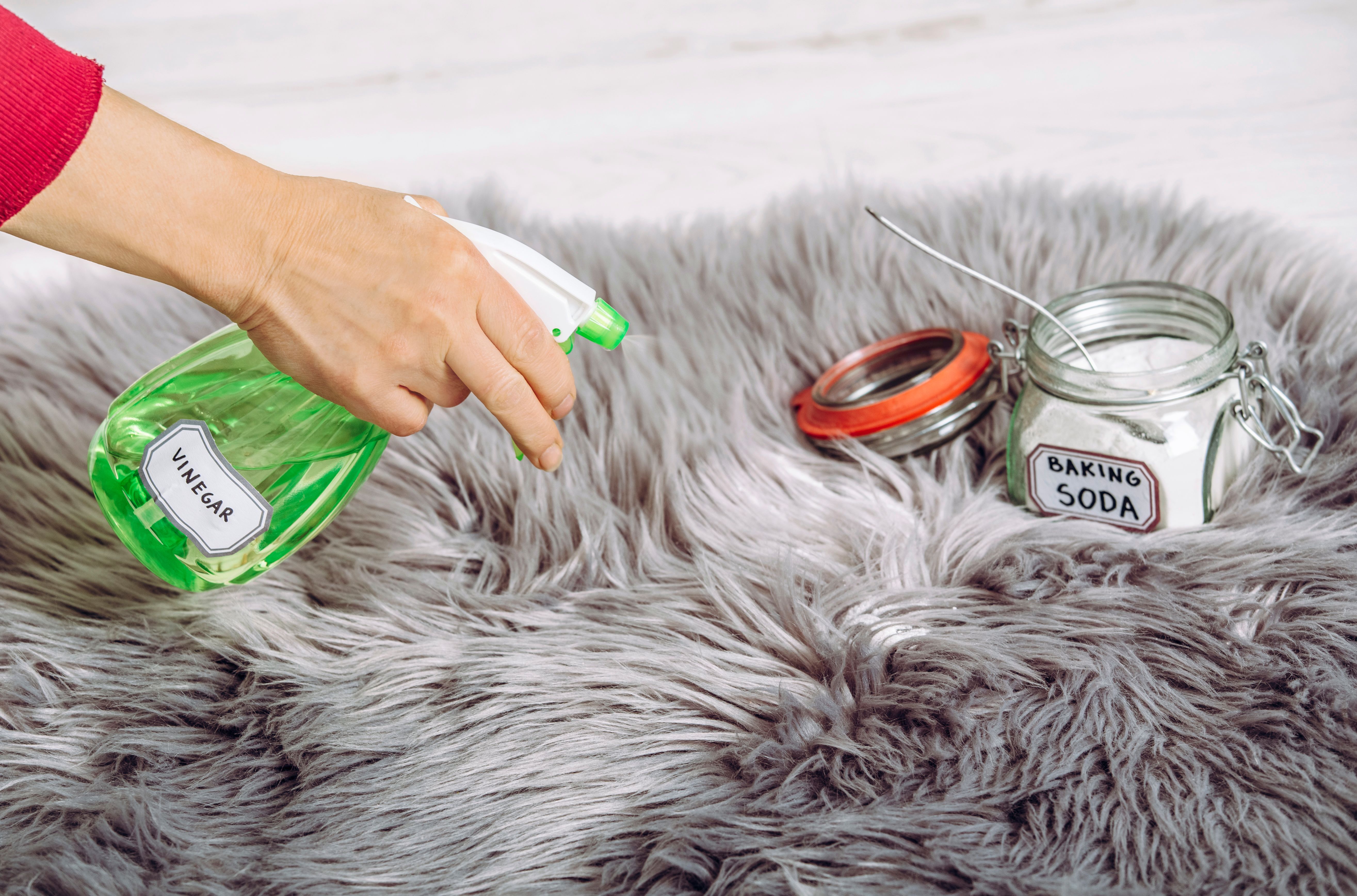
However, vinegar should be used with caution. Its acidic nature can potentially damage certain types of carpets or cause color fading. Always test a small, inconspicuous area first before applying it to the entire stain.
Soap and Water: A Traditional Approach
The combination of soap and water is a traditional cleaning method that seems simple but requires some precision. Use a mild dish soap diluted in warm water for spot cleaning. Dampen a clean cloth with the solution and dab it onto the stain, avoiding excessive moisture that can lead to mold growth.
This method is effective for surface-level dirt but can sometimes leave behind a soap residue that attracts more dirt over time. Rinsing thoroughly with plain water after cleaning can help prevent this issue.
What to Avoid: Harsh Chemicals
While there are many DIY hacks out there, not all are safe for your carpets. Strong chemicals and bleach-based cleaners should be avoided as they can strip color from your carpet fibers or weaken them. These harsh substances might seem effective at first, but they often cause more harm than good in the long run.
Instead, opt for natural or mild cleaning agents that are less likely to cause damage. When in doubt, consult your carpet's manufacturer guidelines or test any new cleaner on a hidden area before full application.
The Verdict: Finding What Works for You
DIY carpet cleaning can be an effective way to maintain clean carpets without breaking the bank. Methods like using baking soda and vinegar are generally safe and effective for most types of dirt and stains. However, it's crucial to understand your carpet's material and the nature of the stain you are dealing with to choose the right method.
Remember that while DIY methods can extend the life of your carpets between professional cleanings, they aren't always a substitute for deep cleaning services when it comes to heavily soiled carpets. Regular maintenance combined with occasional professional care ensures your carpets remain fresh and inviting.